SMCR already makes you accountable for how agents operate in your domain. Treat that accountability as your mandate to lead — and build the evidence before you need the defence.
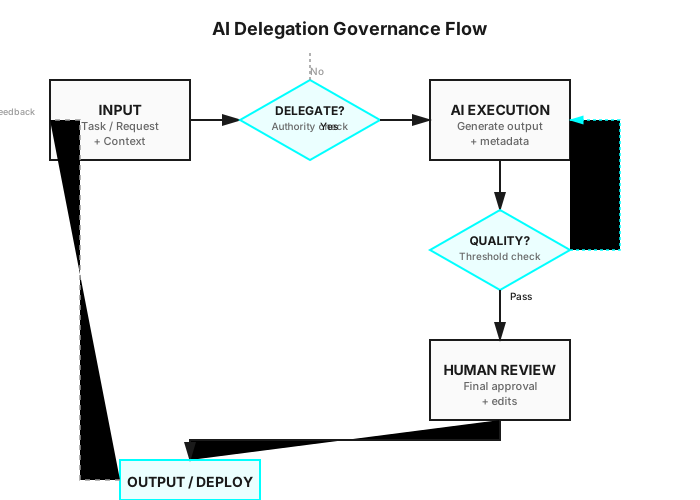
You are already personally accountable for how agents are governed in your domain. The FCA's Mills Review and the Treasury Committee confirm it: you cannot wait for a new rulebook, because the existing Conduct Rules apply to agents today. That accountability is not a burden to delegate to your technology teams — it is your mandate to lead them. In the SMCR frame, the regulator has named you, not your engineers. The operations leaders who act on that will own how agents enter their processes: triggers that force evaluation rather than wait for suspicion, judgment concentrated on exceptions rather than diluted across the routine, and a continuous evidence pack that answers the regulator before they ask — even when the model you tested changes beneath you without notice. The firms whose boards say yes to the next deployment will be the ones whose operations leaders can prove control of the last one. Speed follows defensibility.